


Home-Raised vs. Kennel-Raised Puppies: Why It Matters
Where a puppy spends its first 8 to 9 weeks of life fundamentally shapes its temperament, confidence, and trainability for the rest of its life. Home-raised puppies grow up surrounded by household sounds, family handling, children, and the daily routines they will experience in their forever home. Kennel-raised puppies do not, and research shows it leaves them more fearful, harder to housetrain, and more sensitive to handling as adults. The first eight weeks fall inside the critical socialization window for dogs, and what happens in that window cannot be fully made up later. At Bestland Australian Labradoodles in Rome, GA, every puppy is born and raised inside our home, never in kennels, and the difference shows from the moment families pick their puppy up.
Here is why where a puppy is raised matters more than almost any other factor in its early life.
The Critical Socialization Window: Why the First 8 Weeks Matter
Puppies have a sensitive period of socialization that runs from roughly 3 to 12 weeks of age. During this window, their brains are wired to learn what is safe, what is normal, and what to be afraid of. Anything they experience positively in those weeks becomes part of their permanent comfort zone. Anything they miss tends to feel scary or unfamiliar later, even if they are exposed to it as adults.
For a typical puppy with a breeder until 8 or 9 weeks, that means more than half of the entire socialization window happens before you ever bring the puppy home. Where the puppy lives during those weeks is one of the biggest predictors of how it will handle:
- New people, especially children
- Household noises like vacuums, dishwashers, doorbells, and TVs
- Being touched, picked up, brushed, and groomed
- Car rides and trips outside the home
- Crate training and housetraining
- Living comfortably in an indoor environment
Miss those experiences during the window, and the puppy can spend months or years working through anxiety that a home-raised puppy never develops in the first place.
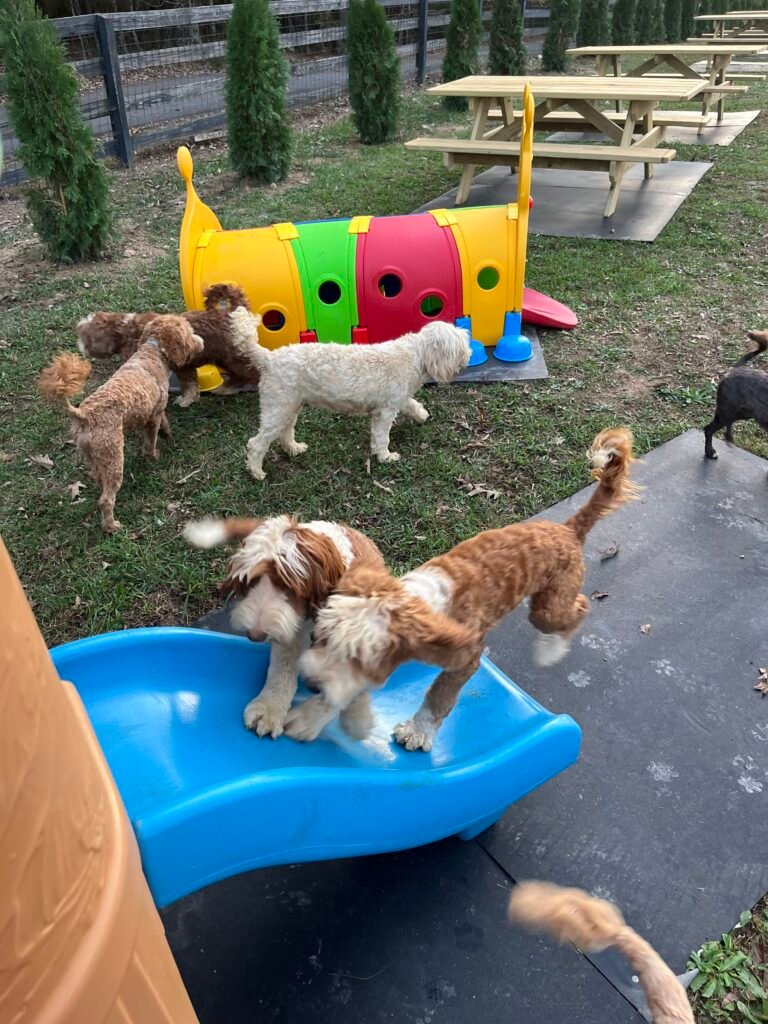
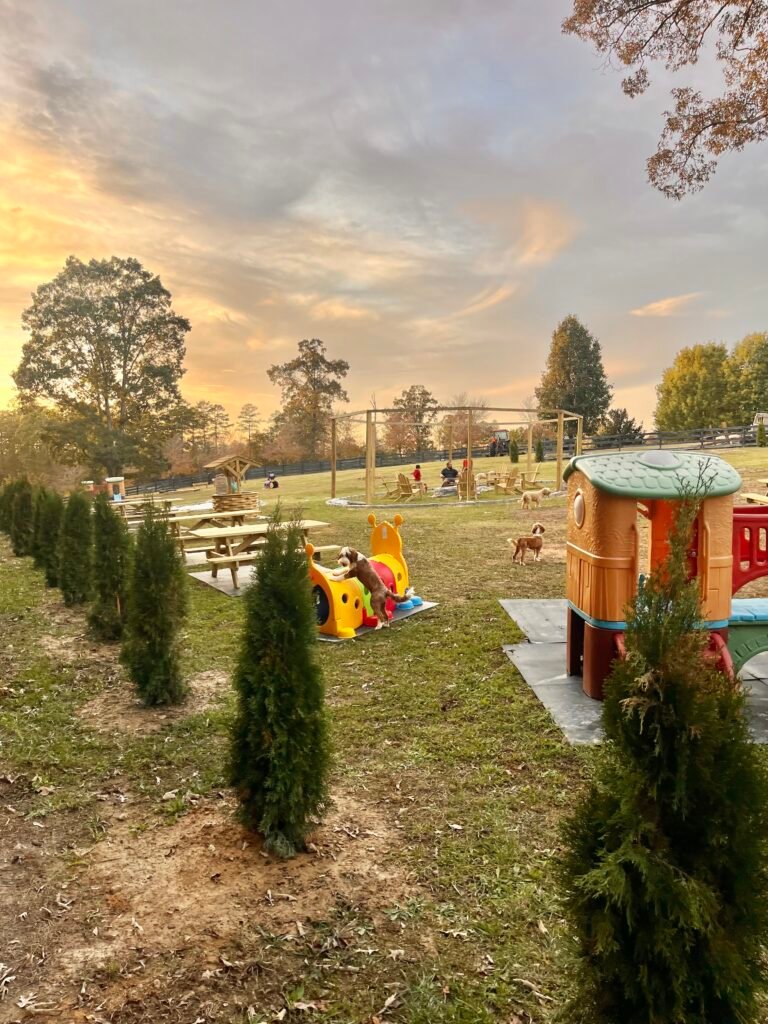
What "Home-Raised" Should Actually Mean
The term “home-raised” gets used loosely. Real home-raising means the puppies live inside the breeder’s house, with the family, in the everyday flow of life. They are not in a basement, garage, or outbuilding visited a few times a day for cleaning and feeding.
A genuinely home-raised puppy:
- Sleeps and plays in the main living areas of the home
- Is handled by adults and children daily
- Hears household sounds (vacuums, blenders, music, TV, conversation)
- Watches and interacts with the family’s other dogs and pets
- Experiences daily routines like meal prep, doorbells ringing, and people coming and going
- Gets one-on-one time and individual attention from the breeder
- Receives early grooming, nail trims, and crate introductions in a calm environment
When a breeder says “home-raised,” ask exactly where in the home the puppies live and how much hands-on time they get. Real home-raising is a 24/7 commitment, not a marketing line.
What Kennel-Raised Looks Like (and What It Doesn't Provide)
Kennel-raised puppies live outside the home, typically in a dedicated building, garage, basement, or outdoor pen. The setup may be clean, climate-controlled, and well-fed, but the puppies are physically separated from family life for most of the day.
What kennel-raised puppies tend to miss:
- Exposure to household sounds during the noise-acclimation phase
- Daily interaction with children, visitors, and varied human voices
- Frequent handling for routine things like ear cleaning, paw touching, and grooming
- The ambient activity of family life that builds confidence around novelty
- Cleanliness habits learned from sleeping near humans rather than in group enclosures
The result is often a puppy that is harder to housetrain (because it has been used to going in its sleeping area), more reactive to noise, slower to bond with new people, and resistant to handling. None of this means kennel-raised puppies cannot become wonderful family dogs, but they typically need more remedial work than home-raised pups to get there.
A puppy raised inside a busy household has already been desensitized to most of the things that scare other puppies. By the time they go home with you, they have already heard the vacuum, met visitors, watched kids, and slept through the doorbell.
The Behavioral Differences Backed by Research
This is not just breeder preference. A 2019 Polish study published in Applied Animal Behaviour Science compared 264 puppies raised in indoor kennels located inside the breeder’s house with puppies raised in outdoor kennels located outside the home and with limited human contact. The puppies were tested at 7 to 8 weeks using the Puppy Aptitude Test.
The findings:
- Puppies raised indoors with the family showed less fear-based aggression
- They handled novel stimuli (new sounds, objects) better
- They scored more often in the ideal “family pet” range
- Outdoor-kennel puppies showed an elevated tendency for submissive behavior and reduced capacity for coping with novel conditions
Other research from Guide Dogs UK has shown that additional socialization during the early sensitive period leads to better behavioral outcomes at 8 months old. The takeaway is consistent across studies: the more positive household exposure a puppy gets in its first weeks, the better-adjusted it tends to be as an adult.
Programs That Make Home-Raising Even Better
Home-raising is the foundation, but the best breeders layer structured developmental programs on top of it. Two protocols are widely used in reputable Australian Labradoodle programs:
Puppy Culture. A protocol developed by Jane Killion that introduces specific exercises, problem-prevention techniques, and enrichment activities at age-appropriate stages from birth through 12 weeks. Puppy Culture covers crate introduction, manding (polite asking instead of jumping), early problem-solving, and exposure to novel surfaces, sounds, and challenges.
Early Neurological Stimulation (ENS). Originally developed for the U.S. military’s Bio Sensor program, ENS involves a daily 5-day series of mild physical stimulation exercises performed between days 3 and 16 of a puppy’s life. The exercises are linked to improved cardiovascular performance, stronger heart rates, better stress tolerance, and stronger adrenal glands.
Together, these programs produce puppies that are unusually confident, resilient, and adaptable. At Bestland, every litter goes through both protocols from day one, and we walk through how that works inside our breeding program.
Questions to Ask About Where a Puppy Lives Before Pickup
Before you put down a deposit, get specific answers to these questions:
- “Where exactly do the puppies live during the day and at night?”
The answer should describe a room inside the family’s home, not a separate building.
- “Can I see the area where the puppies are raised?”
Reputable breeders welcome visits or virtual tours.
- “How many people handle the puppies each day?”
More variety in handlers builds better-socialized puppies.
- “Are children part of the daily environment?”
This matters especially if you have kids at home.
- “What socialization protocol do you follow?”
Puppy Culture, ENS, or a written program shows intent and effort.
- “How are puppies introduced to crates, leashes, and grooming?”
Look for early, gentle introductions, not first-time experiences in your home.
- “Will I get weekly photos and updates?”
This shows the breeder is engaged with each puppy individually.
Watch Out for "Home-Raised" Marketing Without the Reality
Some breeders use the language of home-raising without the substance. Red flags to watch for:
- The breeder will not let you visit the home where the puppies are raised
- Photos and videos are always staged in the same one or two spots
- The breeder cannot describe specific socialization activities done that week
- Multiple large litters are being raised simultaneously without dedicated handling time
- Adult dogs are kept in crates most of the day rather than living with the family
- “Guardian home” arrangements where puppies are raised somewhere else entirely
If a breeder cannot answer detailed questions about daily life with the puppies, the home-raised label is probably more about marketing than reality.
How Bestland Raises Puppies
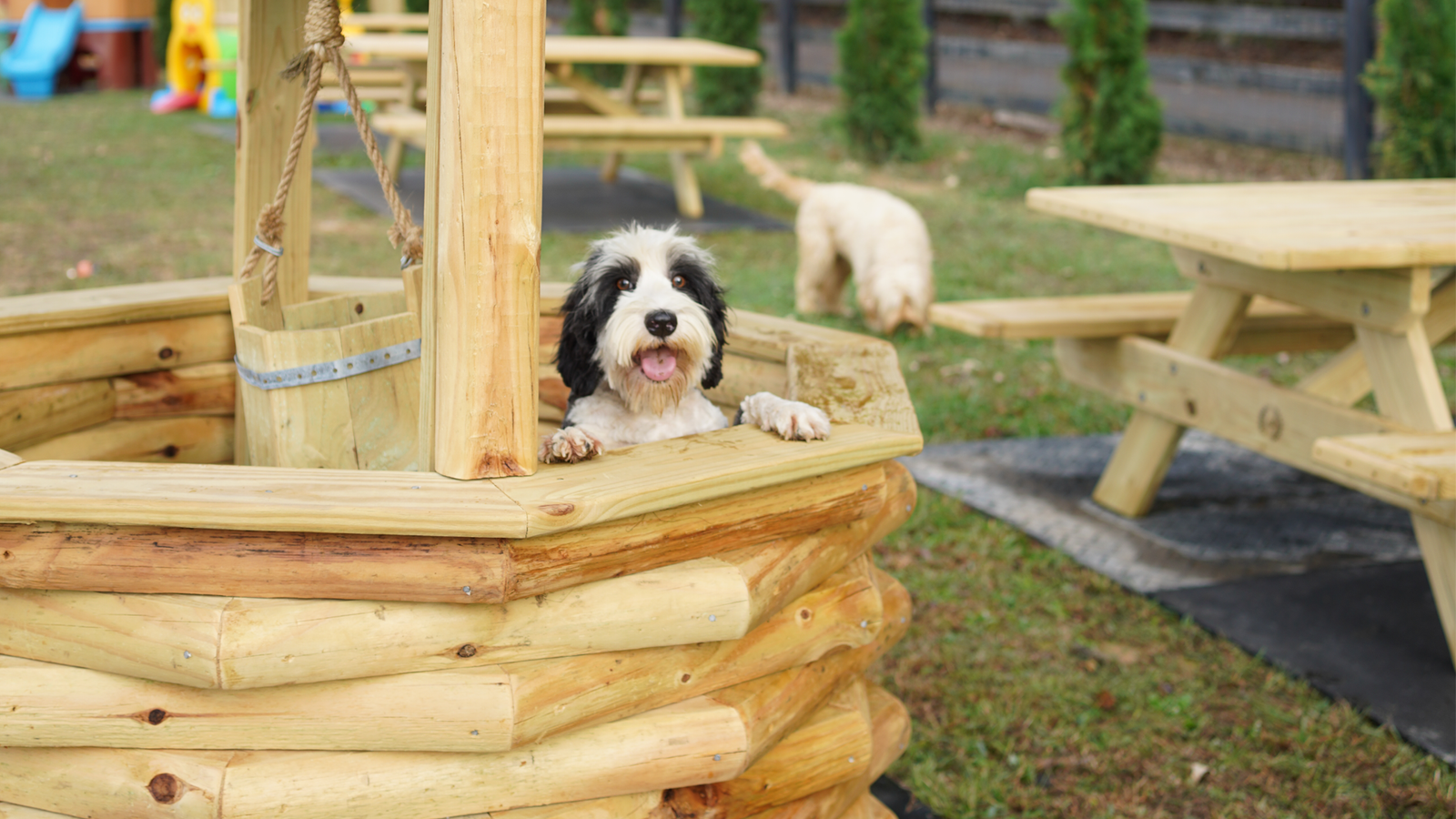
Every Bestland puppy is born inside our home in Rome, GA, and stays inside our home until pickup at nine weeks. Our parent dogs live with us full-time. We do not use guardian homes for our breeding females, which means every litter is raised in the same calm, consistent environment from start to finish. Puppies experience two small children, household sounds, the family’s other dogs, and our 40-acre farm under careful supervision as they grow.
We use Puppy Culture and Early Neurological Stimulation from day one, send weekly photos and videos to families on our waitlist, and host Open House visits so adopting families can meet their puppy before bringing it home. If you want to see how this connects to the breed itself, our guide on whether an Australian Labradoodle is the right dog for your family covers temperament, exercise, and lifestyle considerations, and our health testing overview walks through what every parent dog should pass before breeding.
How to Reach Us
Location
2500 Euharlee Rd SE, Rome, GA 30161
Hours
We’re available by phone or email daily from 7am to 5pm
Visit a Truly Home-Raised Australian Labradoodle Litter
📞 Call or text 770-709-8497 to schedule an Open House visit at our farm in Rome, GA, or to ask any question about how our puppies are raised. With 15 years of breeding experience, ALCA-aligned standards, and home-raised puppies start to finish, we serve families across Georgia, Alabama, Florida, North Carolina, South Carolina, Tennessee, and nearby areas. Domestic delivery is available to major U.S. airports for families farther out. You can also meet our parent dogs, view available puppies, or start the adoption process when you are ready.