

Back-to-School Doggy Daycare in Rome, GA
When the kids head back to school, your dog notices. After a summer of constant company, walks, and someone always home, your dog suddenly faces long, quiet hours alone, and that abrupt change can bring on boredom, restlessness, separation anxiety, and even destructive behavior. Doggy daycare eases the shift by giving your dog a predictable routine, real exercise, and social time while the house is empty. At Bestland Dog Boarding and Pet Resort, back-to-school daycare happens on a quiet, cage-free 40-acre farm near Rome and Cartersville, where small groups mean your dog comes home happy and tired instead of stressed and stir-crazy.
The change is hard on dogs because it upends the routine they rely on, but the right mix of structure, exercise, and social time turns those empty hours into something your dog looks forward to. Here is what to watch for and how to make the shift easier.
Why dogs struggle when the kids go back to school
Dogs are creatures of habit. Their internal clock syncs to your household rhythm, so they learn when meals come, when the door opens, and when the house fills back up in the afternoon. All summer, that rhythm means people, play, and attention throughout the day.
Then school starts, and the pattern flips overnight. The kids are gone for hours, the house goes silent, and your dog is left with far less activity and companionship than they had a week earlier. Many vets see the same pattern every August: families come in with a dog who has suddenly started chewing, barking, or having accidents right after the school year begins. The dog is not misbehaving. They are struggling to adjust to a big, sudden change in routine.
Signs your dog is having a hard time
Separation stress often shows up within the first 15 to 30 minutes after you leave. Watch for:
- Destructive chewing on furniture, doors, or shoes, often near exits
- Excessive barking or howling while you are gone, which neighbors may mention
- Accidents indoors from a house-trained dog, but only when left alone
- Pacing, panting, or drooling even when the house is cool and quiet
- Clinginess or shadowing as they follow you and react to keys or shoes
- Changes in appetite or energy, like refusing food or seeming low and withdrawn
One or two of these once in a while is normal. A cluster of them that starts right when school does is a strong sign your dog needs more structure and activity during the day.
How doggy daycare helps
Daycare gives your dog somewhere to put all that energy and attention while the family is out. A good program helps in several ways:
- Routine your dog can count on. A consistent daily rhythm helps anxious dogs feel secure and gives them something to look forward to.
- Real exercise. A tired dog is a calm dog. Active play burns off the energy that would otherwise turn into pacing or chewing at home.
- Social time. Supervised play with other dogs builds confidence and eases the loneliness of an empty house.
- Mental enrichment. New sights, smells, and activities keep your dog engaged, so they are resting instead of fretting.
- Less boredom-driven damage. Dogs who spend the day playing are far less likely to redecorate your living room.
A dog who spends the day playing and socializing comes home ready to rest. That is the difference between a dog counting the hours alone and a dog who barely noticed you were gone.
Easing the back-to-school transition at home
You can help your dog adjust alongside daycare. A few small changes go a long way:
- Start before the first school day. Ease into the new schedule a week or two early so the change feels gradual instead of sudden.
- Keep goodbyes low-key. Skip the long, emotional send-off. Calm comings and goings tell your dog that leaving is no big deal.
- Add enrichment. Puzzle feeders, chew toys, and a comfortable resting spot give your dog something positive to do during quiet stretches.
- Build in daycare days. A few daycare visits each week break up the long alone hours and keep your dog active and social while everyone is out.
If your dog needs extra support
Most dogs settle in with more routine, exercise, and social time. If your dog shows severe or lasting distress, such as refusing to eat, injuring themselves, or panicking the moment you leave, talk with your veterinarian. They can rule out medical causes and, in tougher cases, connect you with a veterinary behaviorist. Daycare pairs well with that guidance by giving your dog a steady, positive outlet while you work through the rest.
What a daycare day looks like
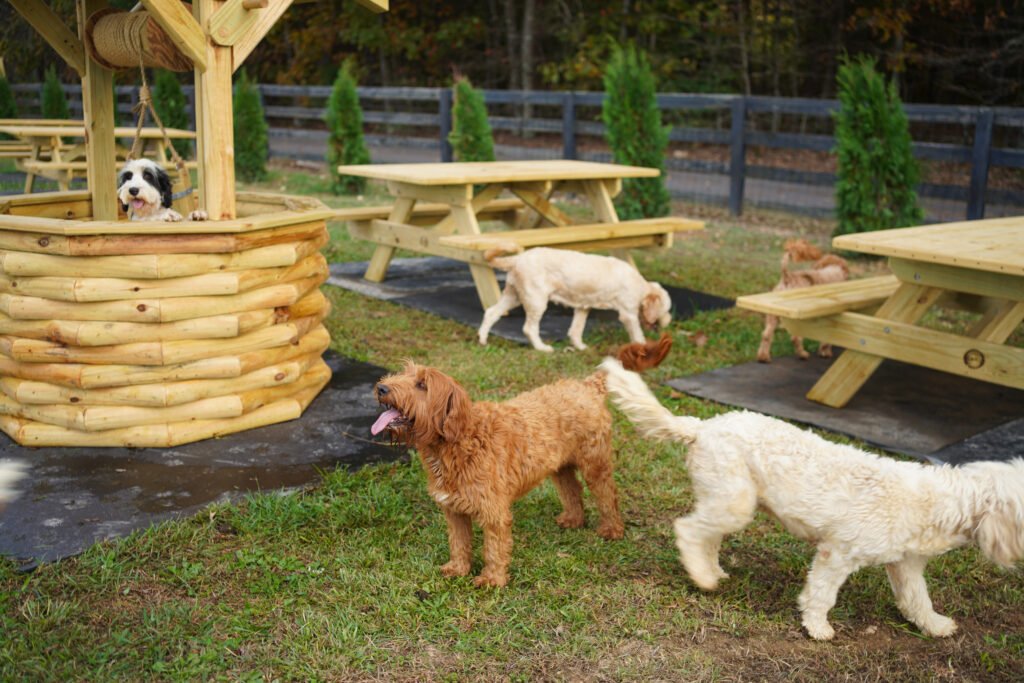
Daycare at Bestland Dog Boarding and Pet Resort is built for calm, not chaos. Your dog spends the day in a cage-free, home-style setting on a peaceful 40-acre farm, with six large shaded paddocks and real grass to explore. Because groups stay small, your dog gets genuine attention rather than getting lost in a crowd, which suits both anxious dogs and high-energy pups.
First-time guests start with a relaxed meet-and-greet so your dog gets comfortable with the space and our family before their first full day. Proof of current vaccinations is reviewed before that first visit, so it helps to have records ready. You can see the full list on our guide to vaccines required for boarding and daycare, and check day passes and scheduling on our pricing page. For program details, visit our dog daycare page.
Frequently asked questions
After a summer of constant company, the sudden jump to long hours alone disrupts your dog’s routine. That change can trigger boredom and separation anxiety, which often shows up as chewing, barking, or accidents.
Yes, for many dogs. Daycare provides routine, exercise, social time, and companionship that ease the stress of being home alone. It is one helpful piece, and severe cases may also need support from your veterinarian.
It depends on your dog and schedule. A few days a week is enough for most dogs to break up the alone time and stay active while the family is at school and work.
Yes. Proof of current vaccinations is reviewed before the first visit to keep every dog safe.
Very. A day of supervised play and enrichment burns off energy that would otherwise build up at home, so your dog returns calm and content.
How to Reach Us
Location
2500 Euharlee Rd SE, Rome, GA 30161
Hours
We’re available by phone or email daily from 7am to 5pm
Give your dog a happier school year in Rome and Cartersville
Ready to make the back-to-school season easier on your dog? Bestland Dog Boarding and Pet Resort offers cage-free, small-group daycare on a quiet 40-acre farm, where fewer dogs mean more one-on-one attention than a crowded facility can give. Call (770) 709-8497 to set up a first-visit meet-and-greet or ask about daycare days. We proudly care for dogs from Rome, Cartersville, and nearby areas of Northwest Georgia.